What to Search for in Activities for Residents With Memory Loss
When households begin exploring memory care, the very first concerns typically center on safety, staffing, and daily regimens. Those matter, naturally. However among the clearest indications of whether a community absolutely recognizes dementia care is found in something that can seem ordinary initially glimpse: the activities.
Good activities are not filler. They are not there just to maintain people active between meals or to make a schedule appearance full. For locals living with memory loss, the ideal activities can decrease stress and anxiety, maintain skills, stimulate recognition, and create moments of ease that perform the whole day. The incorrect activities, by contrast, can leave an individual distressed, overstimulated, or withdrawn.
If you have been looking for memory care near me or comparing senior living near me alternatives, the activity program is entitled to as much focus as the apartment or condo design or dining room. A brightened brochure can inform you nearly nothing concerning whether residents are meaningfully involved. What issues is exactly how the neighborhood develops daily life for people whose demands alter from hour to hour, often from min to minute.
Start with the person, not the calendar
The finest memory care programs begin with a simple concept: homeowners are still people with preferences, backgrounds, habits, and emotional triggers. A former gardener may kick back when handed seed packets or welcomed to water herbs. A person who spent years baking might cheer up at the odor of cinnamon or the feeling of pie dough. A retired instructor may appreciate arranging old postcards or reviewing brief rhymes aloud, also if longer conversations are harder now.
Good activities reflect those life tales. They are not chosen due to the fact that they look efficient from the exterior. They are selected due to the fact that they fit exactly how memory loss really affects an individual's interest, language, and confidence.
During a tour, ask how team find out about each resident's history. Do they make use of life history forms? Do they chat with family members concerning previous work, leisure activities, faith techniques, or favorite songs? Do they take another look at those information in time, since choices can move? In solid memory care neighborhoods, activity preparation starts keeping that kind of curiosity.
This issues since individuals with dementia commonly react best to what feels acquainted, not what feels book. A brand-new craft task can be confusing. A basket of familiar objects, however, may welcome calm recognition. The objective is not amusement for its very own benefit. The objective is emotional link and a sense of success.
The ideal degree of obstacle is everything
Activities for citizens with amnesia should provide just enough challenge to feel appealing without coming to be preventing. That equilibrium is tougher to strike than many people realize.
If an activity is as well basic, residents might disengage. If it is also complex, they might really feel subjected or agitated. I have seen locals light up during a sorting job, after that closed down almost quickly when the instructions came to be as well long. I have also seen a space full of individuals do far better with a ten-minute directed conversation than with a full hour of a worksheet-style program that presumed they can follow numerous actions at once.
The finest programs understand cognitive load. They damage tasks into manageable items. They use one-step instructions. They rely on visual cues, rep, and rhythm. They approve that involvement might look different from one resident to one more. Someone might sing every verse, one more might hum, and an additional may just touch a foot. All of that counts.
A good activity supervisor knows when to simplify on the fly. If a craft is also fussy, the team member does not press through just to finish the plan. They adjust. Maybe citizens only decorate one card as opposed to constructing a fancy project. Maybe the team moves from a conversation to a picture cd because the discussion is losing energy. Flexibility signifies skill, not failure.
Look for activities that touch greater than one sense
Memory loss changes the method people absorb the globe, yet sensory experience frequently stays effective long after short-term memory deteriorates. That is why strong memory care activity programs utilize songs, touch, aroma, motion, color, and acquainted BeeHive Homes of Four Hills assisted living noises with intention.
Music is especially crucial. A resident that no more remembers morning meal may still sing every word to a song from her twenties. A male that battles to form sentences may come to life when listening to an acquainted hymn or huge band tune. Songs can reduce frustration, assistance motion, and create a shared emotional ambience in a manner few various other activities can match.
Touch also matters. Soft textiles, distinctive things, warm towels, sorting coins, folding napkins, and handling kitchen tools can be basing. These jobs can feel deliberate without demanding excellent recall. For some homeowners, sensory activities become a bridge back to comfort after a hard morning.
Movement is entitled to focus as well. Chair workouts, led extending, brief walks, balloon volleyball, dancing to familiar music, and straightforward balance video games can sustain circulation and state of mind. The point is not health and fitness in the common feeling. It is involvement that honors the body locals still stay in every day.
When checking out a community, notice whether the activity timetable has selection in sensory input. A day filled up just with facts games or easy video clips is generally not nearly enough. Homeowners with memory loss benefit from programs that move gently in between physical, social, and creative engagement.
Small group and individually choices issue greater than people expect
A crowded space can overwhelm somebody with dementia, also if the activity itself is enjoyable. Sound, overlapping voices, and excessive movement can make it tough to concentrate. On the various other hand, some homeowners become lonesome when activities are constantly done one-on-one or in really small settings.
A thoughtful memory care community knows exactly how to do both. It supplies group activities for homeowners who appreciate social power, and quieter alternatives for those who like less excitement. This is one of one of the most functional differences between typical senior care and strong dementia-focused care.
Pay focus to exactly how the team reacts when a resident does not intend to sign up with a team. Do they deal with refusal as defiance, or as communication? Excellent care groups understand that no might actually indicate too loud, also quickly, way too many individuals, or otherwise interested in this specific thing today. Occasionally a resident that skipped early morning bingo may happily join a late-afternoon folding towel session with one caregiver.
One-on-one interaction can be especially beneficial for residents in later stages of memory loss. A brief discussion over a photo cd, a hand massage therapy, a brief go through a yard, or a couple of minutes paying attention to favorite songs may do more than a longer scheduled event. The most effective areas include that kind of customized attention as opposed to treating it as an afterthought.
Signs the activity program is actually working
It is easy for any community to upload a vivid month-to-month schedule. It is much more difficult to reveal that locals are meaningfully involved. When you are examining memory care, look beyond the published routine and enjoy what happens in actual time.
A solid activity program typically has a few recognizable characteristics. Locals are not merely seated in an area while team talk at them. Staff are proactively welcoming engagement in ways that really feel considerate. Individuals are grinning, vocal singing, handling things, moving around, or at the very least appearing loosened up and attentive. There is discussion, yet not pressure. There is framework, but also area for disruption, complication, and redirection.
You will certainly additionally notice whether team recognize how to check out the space. If an individual looks tired, competent caretakers do not insist on engagement. If a resident comes to be upset, they shift the tone without making a scene. If a small team is thriving, they let it continue as opposed to cutting it short just to stay on schedule.
Ask whether the community tracks engagement in a meaningful way. Not every activity has to fill up the space, however the group ought to recognize what works, what does not, and why. Great memory care programs take note of patterns. Possibly early morning activities attract even more residents than afternoon ones. Maybe music works far better than tests. Perhaps certain homeowners do best after a snack or a peaceful change period. That sort of monitoring results in far better care.
Ask what occurs on hard days
Every memory care neighborhood looks good on a day when every person is calm and cooperative. The actual test comes on tougher days, when a person is anxious, combative, mourning, or merely having a harsh stretch.
This is where activities can be therapeutic in one of the most useful feeling. A resident that ends up being troubled after lunch might require a folding task, a short stroll, or a possibility to sit near team while others sing. Somebody who is looking for a spouse might not settle after being told, again, that the spouse is gone. But they may react to an acquainted track, a stuffed pet, a towel to hold, or a simple conversation regarding the weather and the mid-day meal.
Good activity personnel do not try to treat dementia with busywork. They make use of activities as devices for convenience, guideline, and dignity. That means they take notice of timing. A resident that stands up to at 9 a.m. May involve at 10:30. An individual who can not endure a loud team might do better in the same activity when seated at the edge of the room with one assistant nearby.
This is additionally where respite care can be valuable for households checking a neighborhood. A short respite stay usually discloses greater than a tour does. Households can see how the staff manages day-to-day interaction when regimens are no longer theoretical. If you are thinking about elder care for a parent or spouse, that short-lived keep can show whether the community's activity approach matches your loved one's needs.
A thoughtful activity calendar looks balanced, not packed
Some families feel guaranteed when they see a schedule with something set up every hour. That can seem remarkable, however density is not the same as quality.
A calendar that works for homeowners with amnesia typically has a rhythm. It may consist of movement in the early morning, an innovative or sensory activity later on, a silent social time after lunch, and a lighter night regimen. It makes room for remainder. It permits repeat favorites. It does not presume that every resident will certainly attend everything.
If the routine has lots of competitions, intricate crafts, or long talks, that is a red flag. So is a schedule that seems made for public relationships more than resident life, filled with occasions that look wonderful on paper however do not fit the people that live there. The most helpful programming typically looks modest from the outside. A sing-along with five locals can be much more important than a showy occasion no one can follow.
When evaluating choices for memory care or senior living near me, ask to see a real regular activity calendar, after that ask just how commonly it alters based upon resident feedback. A calendar must lead the day, not catch it.
Family involvement must be simple, not performative
Families often intend to assist, and good communities make that simpler. The very best activity programs welcome family members photos, favored songs playlists, holiday customs, and periodic involvement in group occasions. They recognize that relatives often recognize the small information that make an activity successful.
That said, household involvement must not be treated as an alternative for specialist engagement. A memory care area need to not depend upon about provide all the excitement or companionship. The staff must have the ability to carry the day, on a daily basis, with consistency and skill.
Ask whether households can contribute concepts for birthday celebrations, anniversaries, and individual milestones. Ask whether the group allows loved ones recognize which activities brought happiness and which seemed demanding. That sort of responses loop is a great indication. It reveals that the neighborhood sees citizens as entire individuals, not simply clinical charts.
For adult youngsters stabilizing work, child care, and visits, this collaboration matters. It can transform a stuffed situation into an extra workable one. Households are frequently shocked by just how much peace they feel when they recognize team are purposefully sustaining their loved one's psychological life, not simply satisfying physical needs.
The personnel matters as long as the activity itself
A basic activity can come to be meaningful in the hands of a warm, observant caregiver. The reverse is also real. Also a well-designed program can fall flat if the staff rushes, talks down to residents, or seems quick-tempered with hesitation.
Look for staff that approach activities with versatility and respect. They should offer selections without frustrating homeowners. They must clarify what is taking place basically, clear language. They need to know exactly how to reroute without suggesting. Above all, they need to appear comfy with the rate that memory loss requires.
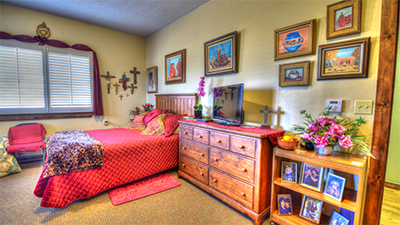
This type of caregiving is an ability. It takes persistence to welcome participation without pushing. It takes judgment to recognize when to continue and when to proceed. And it takes real empathy to bear in mind that a resident that refuses an activity is not turning down the personnel personally. They may be tired, puzzled, nervous, or just attempting to understand the day.
In solid memory care neighborhoods, activity personnel and care team interact. If somebody is uncommonly taken out, the team notifications. If a resident loves drumming yet dislikes facts, that details gets shared. Activity planning need to become part of the broader care strategy, not a different entertainment track running in the background.
A couple of questions worth asking on a tour
When you visit a community, the activity room can tell you a whole lot, yet so can the questions you ask while standing in it. You do not need a formal list to get helpful answers. You just need to pay attention carefully.
Ask just how they adapt activities for different stages of memory loss. Ask just how frequently they present brand-new programs versus repeat favorites. Ask whether they provide quieter options for homeowners who do not enjoy teams. Ask exactly how they take care of homeowners who want to roam, nap, or rest close by without taking part. Ask what a difficult day resembles and exactly how team respond when a resident becomes distressed throughout an activity.
The answers will reveal whether the area comprehends dementia as an altering lived experience or as a problem to handle. That distinction matters more than virtually anything else when choosing memory care.
What excellent feels like
Families in some cases know they have actually found the right place not because every little thing looks ideal, but due to the fact that the atmosphere feels calmer. Locals may still have challenging moments. Amnesia does not go away in a beautiful setup. But the day really feels much less compelled. People appear even more comfortable. There is much less pressure to perform and more area to simply be.
That is what solid activities make possible. They create opportunities for acknowledgment, comfort, and small triumphes. A resident that hardly ever speaks might hum along to a tune. An additional may fold up towels with satisfaction. Someone else might smile at a pet visit, faucet to a rhythm, or hold a favorite image and state a name that matters.
Those moments are not small. They are the daily material of good memory care.
If you are contrasting memory care neighborhoods, pay attention to the activity program. Ask exactly how it is constructed, that leads it, and exactly how it transforms for various homeowners. Enjoy exactly how personnel connect with people that are confused or peaceful. Notification whether the neighborhood provides both group interaction and specific assistance. The best program will certainly not look active for hectic's sake. It will feel gentle, flexible, and personal.
That is the common worth holding, whether you are looking for memory care near me, examining senior care for a parent, or making a list of senior living near me choices. Activities are not additional. For locals with amnesia, they are often where life ends up being well-known again.
Business Name: BeeHive Homes of Four Hills
Address: 13450 Wenonah Ave SE, Albuquerque, NM 87123
Phone: (505) 221-6400
BeeHive Homes of Four Hills
Beehive Homes assisted living care is ideal for those who value their independence but require help with some of the activities of daily living. Residents enjoy 24-hour support, private bedrooms with baths, medication monitoring, home-cooked meals, housekeeping and laundry services, social activities and outings, and daily physical and mental exercise opportunities. Beehive Homes memory care services accommodates the growing number of seniors affected by memory loss and dementia. Beehive Homes offers respite (short-term) care for your loved one should the need arise. Whether help is needed after a surgery or illness, for vacation coverage, or just a break from the routine, respite care provides you peace of mind for any length of stay.
13450 Wenonah Ave SE, Albuquerque, NM 87123
Business Hours
BeeHive Homes of Four Hills provides assisted living care
BeeHive Homes of Four Hills provides memory care services
BeeHive Homes of Four Hills provides respite care services
BeeHive Homes of Four Hills supports assistance with bathing and grooming
BeeHive Homes of Four Hills offers private bedrooms with private bathrooms
BeeHive Homes of Four Hills provides medication monitoring and documentation
BeeHive Homes of Four Hills serves dietitian-approved meals
BeeHive Homes of Four Hills provides housekeeping services
BeeHive Homes of Four Hills provides laundry services
BeeHive Homes of Four Hills offers community dining and social engagement activities
BeeHive Homes of Four Hills features life enrichment activities
BeeHive Homes of Four Hills supports personal care assistance during meals and daily routines
BeeHive Homes of Four Hills promotes frequent physical and mental exercise opportunities
BeeHive Homes of Four Hills provides a home-like residential environment
BeeHive Homes of Four Hills creates customized care plans as residents’ needs change
BeeHive Homes of Four Hills assesses individual resident care needs
BeeHive Homes of Four Hills accepts private pay and long-term care insurance
BeeHive Homes of Four Hills assists qualified veterans with Aid and Attendance benefits
BeeHive Homes of Four Hills encourages meaningful resident-to-staff relationships
BeeHive Homes of Four Hills delivers compassionate, attentive senior care focused on dignity and comfort
BeeHive Homes of Four Hills has a phone number of (505) 221-6400
BeeHive Homes of Four Hills has an address of 13450 Wenonah Ave SE, Albuquerque, NM 87123
BeeHive Homes of Four Hills has a website https://beehivehomes.com/locations/four-hills/
BeeHive Homes of Four Hills has Google Maps listing https://maps.app.goo.gl/32p1Aa3RPZqoYGBS7
BeeHive Homes of Four Hills has TikTok page https://www.tiktok.com/@beehive4hills
BeeHive Homes of Four Hills has an YouTube page https://www.youtube.com/@WelcomeHomeBeeHiveHomes
BeeHive Homes of Four Hills has Facebook page https://www.facebook.com/beehivehomesoffourhills
BeeHive Homes of Four Hills has Instagram page https://www.instagram.com/beehivehomesfourhills/
BeeHive Homes of Four Hills won Top Assisted Living Homes 2025
BeeHive Homes of Four Hills earned Best Customer Service Award 2024
BeeHive Homes of Four Hills placed 1st for New Mexico Senior Living Communities 2025
People Also Ask about BeeHive Homes of Four Hills
What is BeeHive Homes of Four Hills Living monthly room rate?
The rate depends on the level of care that is needed. We do a pre-admission evaluation for each resident to determine the level of care needed. The monthly rate is based on this evaluation. There are no hidden costs or fees
Can residents stay in BeeHive Homes of Four Hills until the end of their life?
Usually yes. There are exceptions, such as when there are safety issues with the resident, or they need 24 hour skilled nursing services
Do we have a nurse on staff?
No, but each BeeHive Home has a consulting Nurse available 24 – 7. if nursing services are needed, a doctor can order home health to come into the home
What are BeeHive Homes of Four Hills's visiting hours?
Visiting hours are adjusted to accommodate the families and the resident’s needs… just not too early or too late
Do we have couple’s rooms available?
Yes, each home has rooms designed to accommodate couples. Please ask about the availability of these rooms
Where is BeeHive Homes of Four Hills located?
BeeHive Homes of Four Hills is conveniently located at 13450 Wenonah Ave SE, Albuquerque, NM 87123. You can easily find directions on Google Maps or call at (505) 221-6400 Monday through Sunday 9:00am to 5:00pm
How can I contact BeeHive Homes of Four Hills?
You can contact BeeHive Homes of Four Hills by phone at: (505) 221-6400, visit their website at https://beehivehomes.com/locations/four-hills/ or connect on social media via TikTok Facebook or YouTube
Manzano Mesa Multi-Gen Center offers walking paths and open space where residents in assisted living, memory care, senior care, elderly care, and respite care can enjoy gentle outdoor activity.
Corrections
Spot something wrong? Send it to the desk and it gets fixed in the open.